What is sodium?
Sodium is a mineral found naturally in foods as well as in table salt. It is also added to many foods during processing.
We need small amounts of sodium for health, but eating too much can increase the risk of high blood pressure and heart disease. Most adults only need 1,500 mg of sodium per day. Many people living in Canada eat much more than they need. To decrease the risk of chronic disease, aim for about 1,500 mg per day and limit your intake to below 2,300 mg.
If you have high blood pressure, aim to reduce your sodium intake to 2,000 mg or less per day.
Children have different recommended sodium intake by age:
- 1 to 3 years 800 mg per day
- 4 to 8 years 1,000 mg per day
- 9 to 13 years 1,200 mg per day
What foods in Canada contain the most sodium?
Although many foods contain sodium, most of the sodium we eat comes from highly processed foods. The main sources of sodium include:
- Breads, crackers, muffins, cookies, desserts and granola bars
- Pizza, lasagna, prepared salads, frozen potatoes, frozen appetizers and entrees
- Deli meats, sausages, canned meats, chicken wings, burgers and meatballs
- Cheese
- Packaged and canned soups
- Sauces and condiments
If you eat these foods, eat them less often and in smaller amounts and look for lower sodium versions.
What else can I do to lower my intake of sodium?
Prepare your own meals and snacks
Prepare meals at home using foods that have little to no sodium or salt. Lower sodium items include:
- Vegetables and fruit: fresh and frozen fruits and vegetables, canned fruits in their own juice, low-sodium canned vegetables
- Whole grains: oats, quinoa, barley, brown or wild rice, and whole grain pasta
- Protein foods:
- Dried or low-sodium canned beans, peas and lentils. Rinse canned beans to wash away some of the sodium
- Fresh or low-sodium canned fish
- Unseasoned fresh or frozen lean meat, poultry, seafood and tofu
- Unsalted nuts, seeds and their butter
- Eggs, milk, yogurt and fortified soy beverage
Try making your own soups, sauces and salad dressings. Find quick and easy recipes in the “Recipes” section of Canada’s Food Guide: www.canada.ca/en/health-canada/services/food-guide.html
Use less added salt
All types of salt including kosher salt, sea salt, fleur de sel, smoked salt and Himalayan salt are high in sodium. Instead, flavour your food without adding salt:
- Add garlic, onion and ginger to a recipe
- Use fresh or dried herbs and spices such as basil, cilantro and mint
- Add garlic, mustard, lemon, lime or orange juice to homemade vinaigrette salad dressings
- Toast unsalted nuts, seeds, or shredded coconut before adding into a recipe
Make healthier restaurant and fast-food choices
Restaurant or takeaway food is often high in sodium. If available, check the nutrition information and choose dishes with less sodium.
Other tips for choosing restaurant and fast food include:
- Ask if the food can be made with less salt
- Order smaller portions
- Share a dish with someone or save half for another meal
- Ask for sauces and dressings on the side. Use smaller amounts
Look for sodium on food labels
Most packaged foods have a Nutrition Facts table that shows how much sodium is in the food.
Use the Nutrition Facts table to help you choose foods lower in sodium. The percent daily value (% DV) shows you if the food has a little or a lot of sodium.
- 5% DV or less is a little
- 15% DV or more is a lot
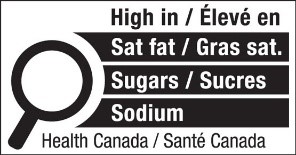
Most packaged foods that have more than 15% DV sodium have a front-of-package nutrition symbol that states ‘high in sodium’. The symbol is black and white and has a magnifying glass.
Look at the food package for the following words: "sodium-free", "low sodium", "reduced sodium,” or "no added salt" to help you find lower sodium choices.
How much sodium do I eat?
To estimate how much sodium you consume, write down the amount all the foods and beverages you eat and drink in one day. Then add up the total sodium you consumed. Look for the sodium amount on the Nutrition Facts tables. You can also use the table which follows, or you can find the sodium content of a specific food in the Canadian Nutrient File.
What about salt substitutes?
Some salt substitutes contain potassium. If you have kidney disease or take medication to lower blood pressure, consult with your health care provider before using a salt substitute with potassium.
For more information
For more nutrition information, call 8-1-1 to speak with a registered dietitian.